Digestive Apparatus Endoscopy Center
- Premium equipment
- Pleasant interior
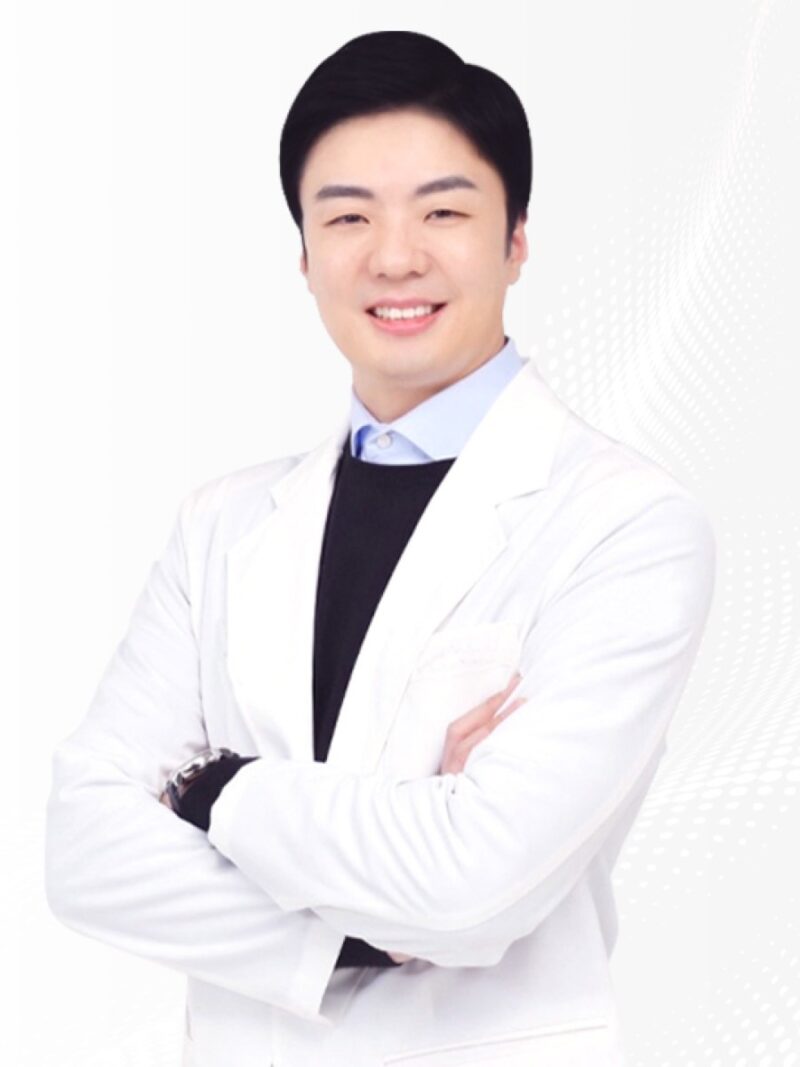
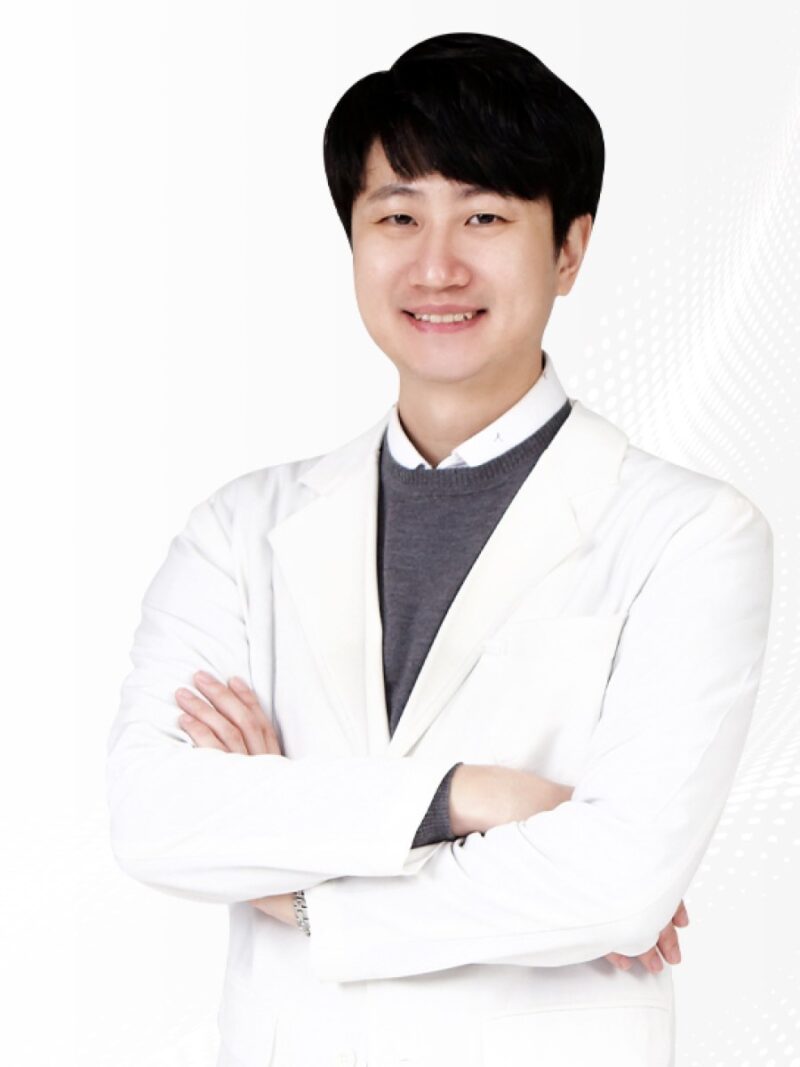
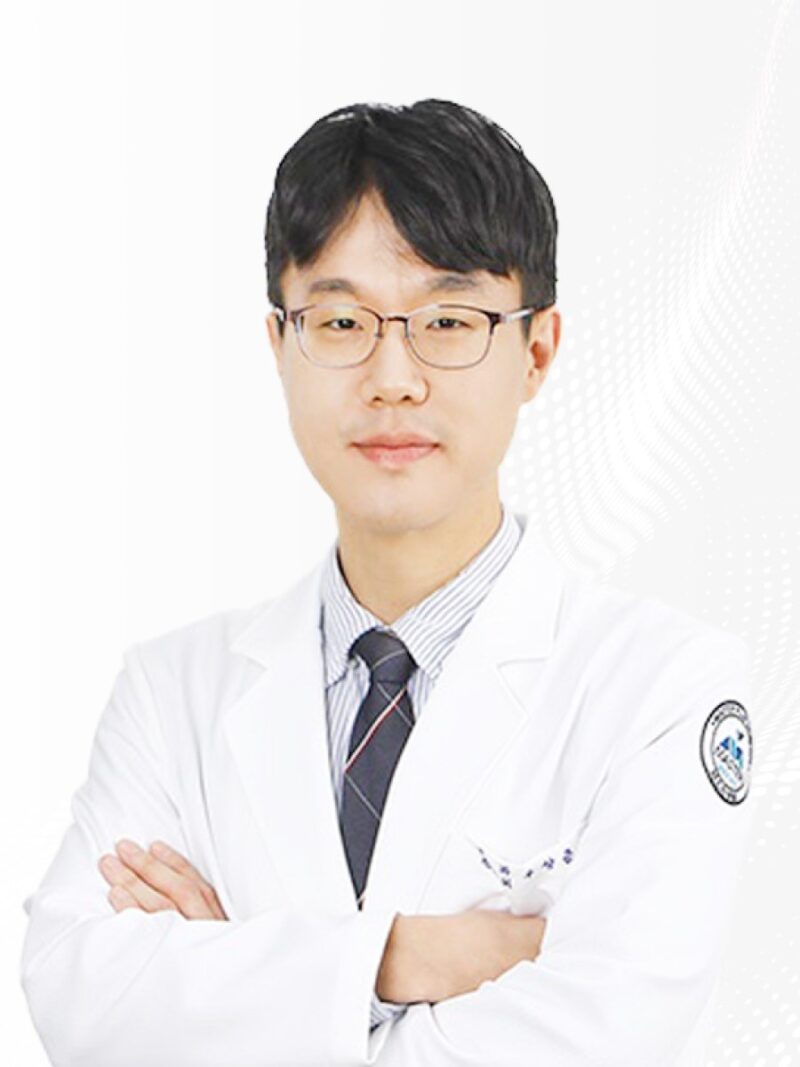
- Experienced team
- Comfortable recovery room
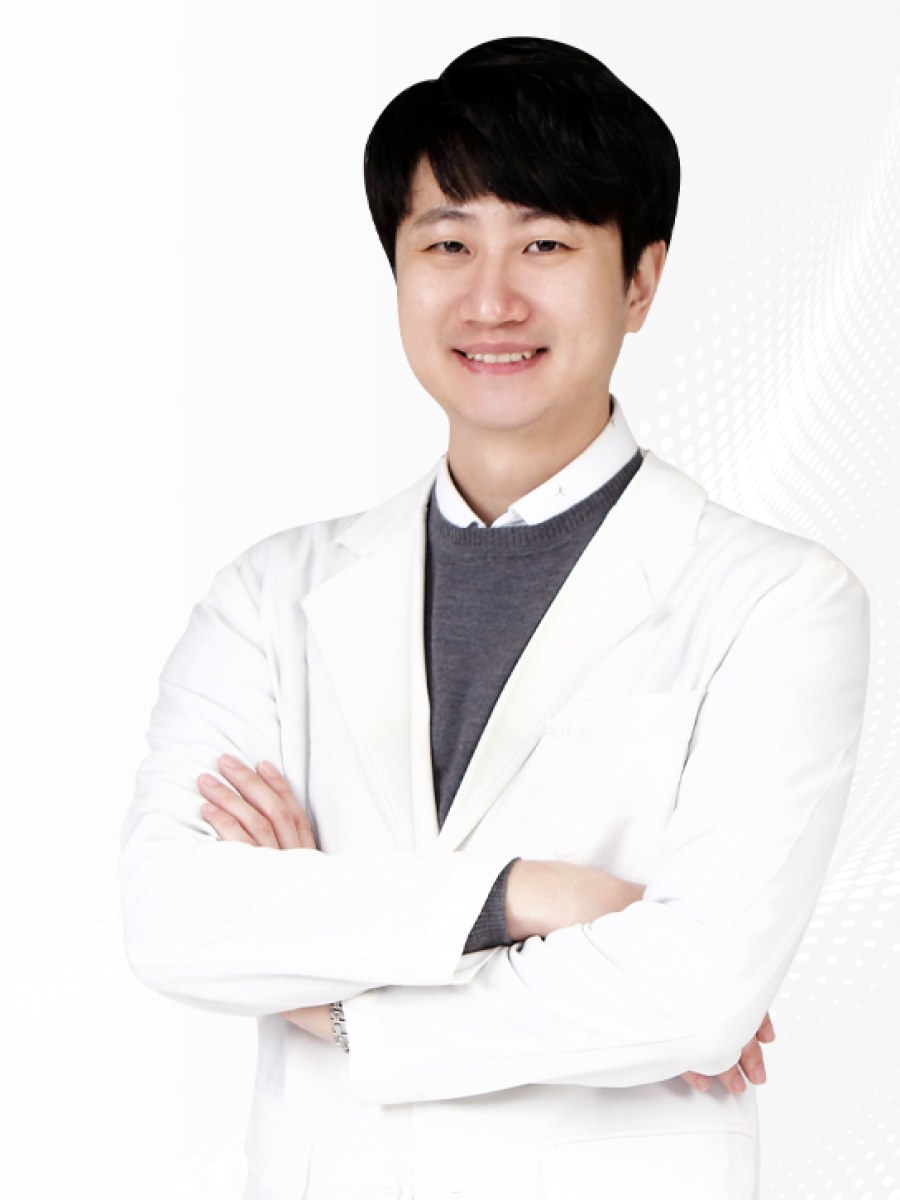
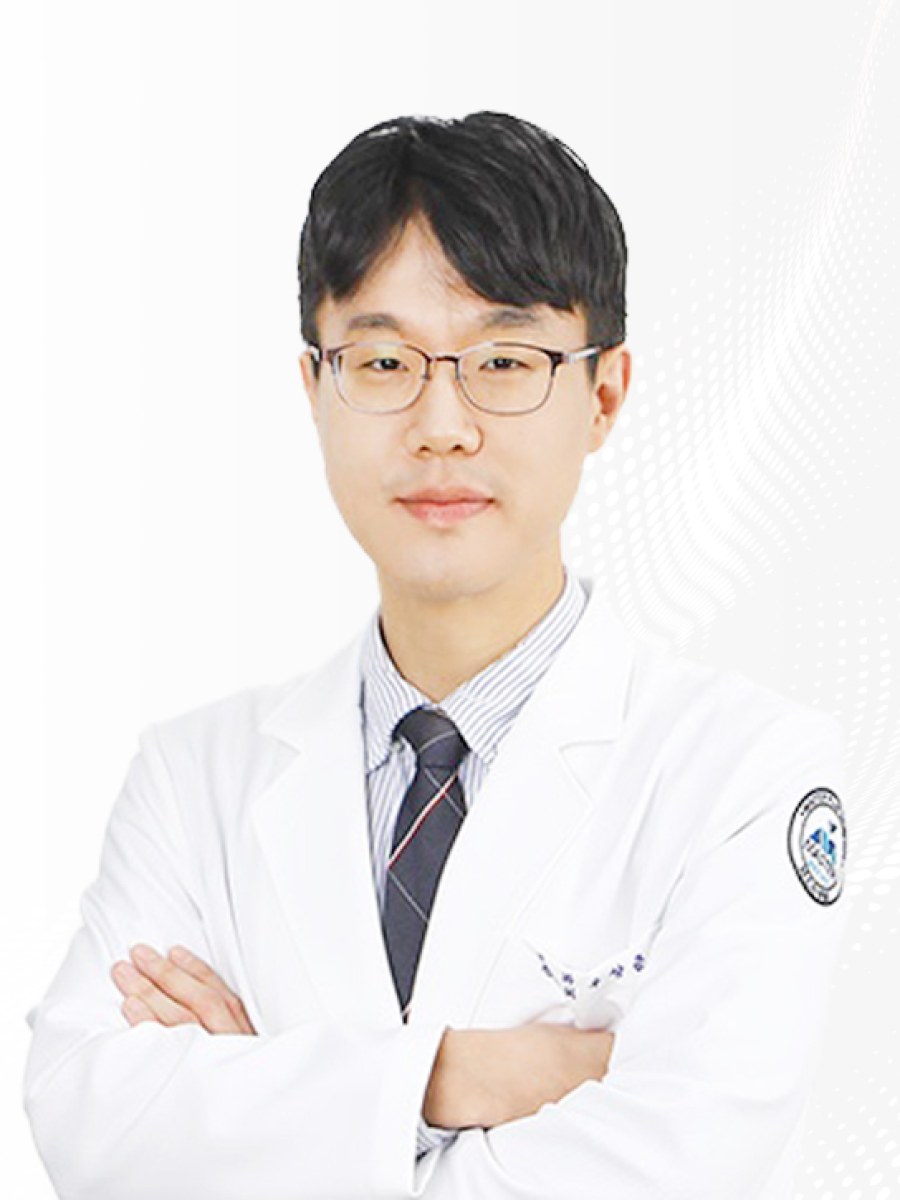
At our GI Endoscopy Center, doctors with experience of more than 2,000 procedures perform upper endoscopy (gastroscopy) and colonoscopy using university-hospital-grade endoscopy equipment.
What Our GI Endoscopy Center Offers
- 1
Doctors with experience of more than 2,000 procedures - 2
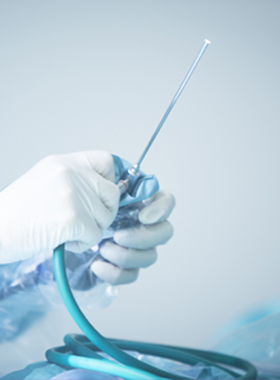
Olympus CV 190, an endoscopy system used in university hospitals - 3
Colonoscopy with premium equipment, designed to minimize abdominal discomfort - 4
Stomach and colorectal cancer screening with university-hospital equipment
Premium equipment used in university hospitals, aimed at better outcomes
SONGDO FIRST MEDICAL uses automatic endoscope disinfectors and washers to maintain a high standard of endoscope disinfection.
We also use medical equipment found in university hospitals, such as the Olympus CV 190 and the Philips Affiniti 50 DS ultrasound system, for safe and accurate care, and we continue to invest in our medical equipment.
Living with constant indigestion?
We diagnose and treat a range of digestive conditions affecting the gastrointestinal tract, liver, bile ducts and pancreas.
Conditions We Treat
- 1
Liver Disease
Acute and chronic hepatitis are the most common; acute hepatitis, which is generally benign, is usually easier to treat.
Conditions diagnosed: hepatitis, fatty liver, liver cirrhosis, liver cancer - 2
Upper GI Disease
Organic and functional conditions of the esophagus, stomach and duodenum.
Conditions diagnosed: esophageal cancer, esophageal ulcer, esophagitis, duodenitis, duodenal ulcer, stomach cancer, gastric polyps - 3
Lower GI Disease
For the prevention and early diagnosis of colorectal disease, regular colonoscopy from age 40 is strongly recommended.
Conditions diagnosed: colorectal cancer, colorectal polyps, inflammatory bowel disease, irritable bowel syndrome - 4
Pancreatic and Biliary Disease
Pancreatic disease is considered when indigestion or jaundice persists. Symptoms worsen after eating and may be accompanied by abdominal pain, vomiting and cold sweats.
Conditions diagnosed: bile duct cancer, acute pancreatitis, pancreatic cancer
For GI cancers, endoscopy is a safe and reliable test
Cancer is the leading cause of death in Korea. Among GI cancers, which have high mortality, stomach and colorectal cancers are among the most common cancers in Korean adults, and endoscopy is a safe and reliable test for them.
In the early stages, the difference between a tumor and the surrounding lining is not clear, showing only slight changes in shape or color, so they are not easy to detect.
Precancerous lesions (dysplasia) and early cancers are often missed with standard endoscopy, and small tumors under 1 cm or lesions in hard-to-see areas are difficult to find.
Advanced endoscopy equipment used in university hospitals
SONGDO FIRST MEDICAL has introduced advanced endoscopy equipment used in university hospitals, working to detect and prevent at an early stage GI cancers that can be hard to find with conventional endoscopy.
The advanced endoscopy system 'Olympus CV 190' is equipped with BLI and LCI technology. Its BLI (Blue Light Imaging) and LCI (Linked Color Imaging) modes, which control different wavelengths independently, help locate lesions that show specific wavelengths precisely.
Why endoscopy matters
Stomach and colorectal cancers are major cancers among Koreans. The government provides upper endoscopy every two years for adults aged 40 and over, and an annual fecal occult blood test for adults aged 50 and over. When stomach or colorectal cancer is detected early through regular endoscopy, a recovery rate of over 90% is reported.
Types of Endoscopy
- 1
Upper Endoscopy
Stomach cancer is the most common cancer among Koreans, so early diagnosis is very important, and upper endoscopy is needed to identify it.
Conditions diagnosed: esophagitis, esophageal ulcer, esophageal cancer, duodenitis, duodenal ulcer, gastritis, stomach cancer - 2
Colonoscopy
The entire inside of the large intestine is observed through the anus to diagnose various colorectal lesions.
Conditions diagnosed: irritable bowel syndrome, ulcerative colitis, Crohn's disease, internal hemorrhoids, external hemorrhoids, colorectal polyps, colorectal cancer
From examination to same-day polyp removal, in one visit!
A polyp is an abnormal growth of the lining of the stomach or colon. Many polyps are neoplastic and can progress to malignant tumors later, and even polyps that look benign to the naked eye are sometimes found to be malignant on biopsy, so they should be removed as soon as they are found. At SONGDO FIRST MEDICAL, polyps are removed on the day of the endoscopy using ERBE electrosurgical equipment of the kind used in university hospitals.
Polyp removal (polypectomy) is more than a simple biopsy, so it is best performed by an experienced GI endoscopy specialist. The SONGDO FIRST MEDICAL medical team has experience of more than 10,000 upper endoscopies, and experienced GI doctors work systematically with an experienced GI center team, so colonoscopy from examination to treatment can be carried out safely in one visit.
Sedated upper endoscopy and colonoscopy are also included in the comprehensive health screening program.
FAQ
Why should I have upper endoscopy and colonoscopy regularly?
Stomach and colorectal cancers are common cancers in Korean adults. The government provides upper endoscopy every two years for adults aged 40 and over, and an annual fecal occult blood test for those aged 50 and over. When stomach or colorectal cancer is found early through regular endoscopy, a recovery rate of over 90% is reported.
What happens if a polyp is found during the exam?
Polyps can progress to malignant tumors later, so they should be removed as soon as they are found. At SONGDO FIRST MEDICAL, polyps are removed on the day of the endoscopy using ERBE electrosurgical equipment of the kind used in university hospitals.
What endoscopy equipment do you use?
We use the advanced endoscopy system 'Olympus CV 190'. Its BLI (Blue Light Imaging) and LCI (Linked Color Imaging) modes, which control different wavelengths independently, help locate lesions precisely.